

Time to Talk Day 2026: Why Talking Matters - and Listening Matters Even More

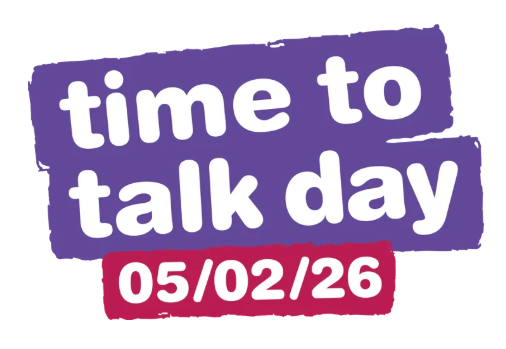
Time to Talk Day 2026, this year held on 5 February 2026, is an important national awareness day led by Mind and other mental health organisations, encouraging open conversations about mental health. The message is simple but powerful: talking about mental health can change lives.
At Serenity Occupational Therapy, we strongly support this message. However, from an occupational therapy perspective, we also want to highlight something equally vital: while it is important to talk, it is often even more important to truly listen.
Why Talking About Mental Health Is Important
Many people still feel uncomfortable, ashamed, or worried about speaking openly about their mental health. Fear of judgement, not being understood, or being seen as a burden can prevent people from reaching out.
Time to Talk Day reminds us that conversations about mental health do not need to be perfect or clinical. They can happen in everyday settings—at work, at home, or with friends. A simple “How are you, really?” can open the door to connection, understanding, and support.
Talking helps people:
Feel less alone with their experiences
Make sense of their thoughts and emotions
Access support earlier
Reduce stigma around mental health difficulties
These conversations can be a crucial first step towards recovery, adjustment, or finding strategies to cope with everyday life.
The Power of Listening
While encouraging people to talk is essential, listening is what makes those conversations safe and meaningful.
Listening is not about fixing problems, offering advice, or comparing experiences. It is about being present, attentive, and open. When someone feels genuinely listened to, they feel validated and respected - often for the first time.
Effective listening involves:
Giving your full attention
Allowing pauses and silence
Avoiding judgement or rushing to solutions
Acknowledging feelings, even if you do not fully understand them
For many people, being heard without pressure to “get better” or “think positively” can be profoundly therapeutic.
An Occupational Therapy Perspective
As occupational therapists, we understand that mental health affects how people engage in daily activities, routines, roles, and relationships. Conversations about mental health are not just about symptoms - they are about how someone is managing work, self-care, relationships, rest, and meaningful occupations.
Listening allows us to understand:
What truly matters to the person
What is getting in the way of daily functioning
Where support, adaptations, or strategies may help
Without listening, support risks being well-intentioned but misaligned with the person’s real needs.
How You Can Take Part in Time to Talk Day 2026
You do not need special training to take part. Small actions can make a big difference:
Check in with someone you trust
Let someone know you are there to listen
Create space for conversation at work or at home
Be open about your own experiences if it feels safe
Most importantly, remember that you do not need to have the right words. Being present and listening is often enough.
Final Thoughts
Time to Talk Day 2026 is a reminder that conversations about mental health matter every day - not just once a year. Talking helps break down stigma, but listening builds understanding, trust, and connection.
At Serenity Occupational Therapy, we believe that real change happens when people feel both able to speak and safe to be heard. This Time to Talk Day, let’s not only encourage conversation - but also commit to listening with care, compassion, and respect.